
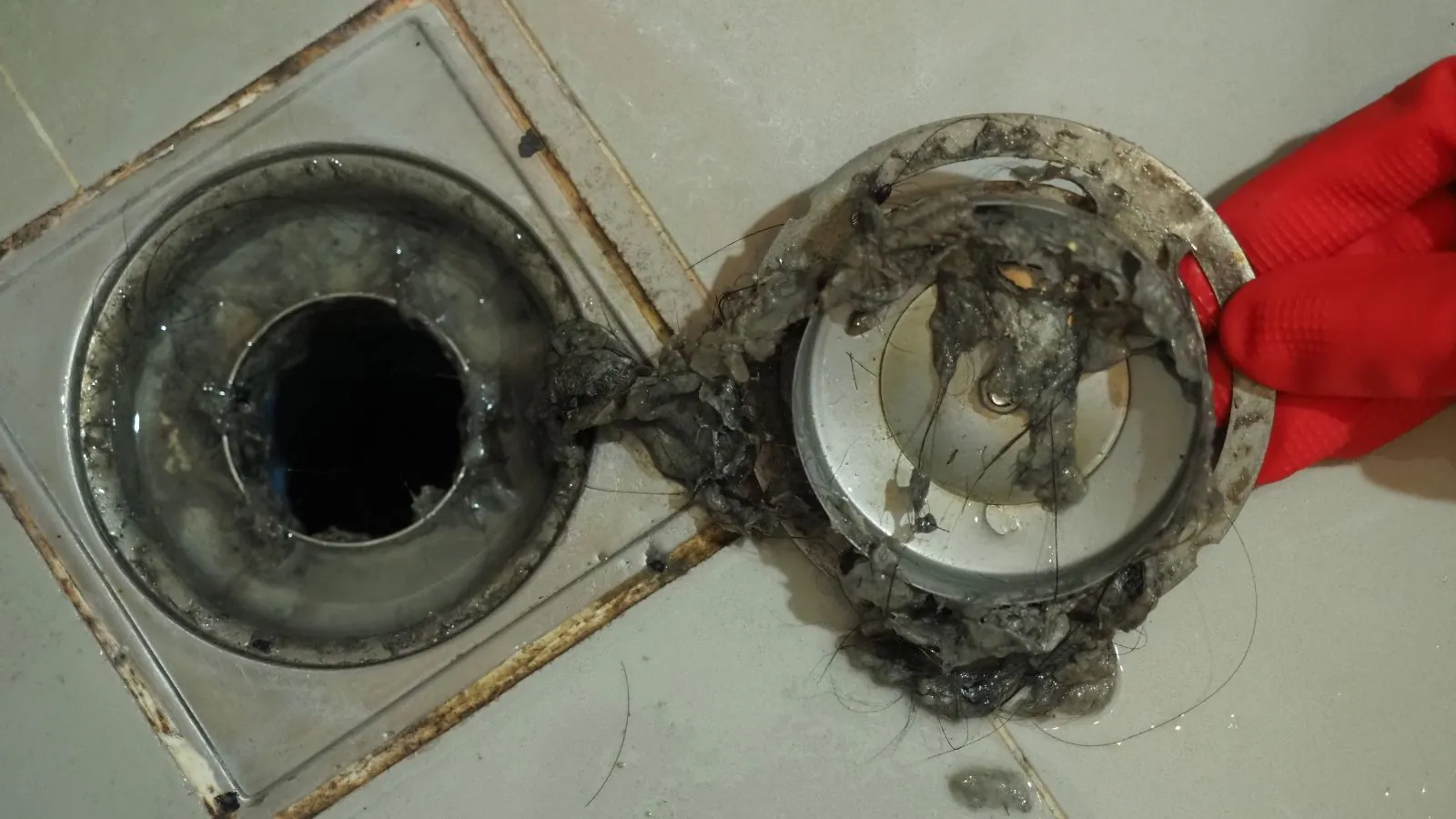
Why a sewage backup in a Draper basement is a different kind of water
A sewage backup is Category 3 water, the grossly contaminated class in water damage standards. It can carry bacteria, viruses and waste, so it is handled very differently from a broken supply line. The water usually comes up through the lowest opening, such as a basement floor drain, a laundry standpipe or a basement bathroom.
Two different pipes can fail. The house line runs from your fixtures out to the property line, and a clog or root intrusion there is a plumber's job. The main in the street belongs to the sewer district that serves your address. If several neighbors are backing up at once, the main is the likelier cause.
Signs the backup is coming from the sewer line
| What you see | What it often means | What to do |
|---|---|---|
| Toilets gurgle when the washer drains | A partial blockage in the house line | Stop running water and call a plumber |
| Dark water rising from a floor drain | The line is blocked or the main is overloaded | Stay out and call (385) 988-9410 |
| Water with paper, debris or a strong odor | Category 3 contamination | No contact, keep children and pets away |
| Several fixtures back up together | A blockage downstream of every branch | Call the sewer district and a plumber |
First-hour sewage safety steps before anyone touches anything
Stop adding water
Do not flush, run sinks, start the washer or use the dishwasher. Every gallon you send down goes to the same blocked line.
Mind the electrical
Do not step into a flooded basement to reach the panel. If water is touching outlets, cords or appliances, stay upstairs and call an electrician or 911.
Call the right people
The sewer district that serves your address takes calls about collection system problems. Call 911 if anyone is in danger. Call (385) 988-9410 for cleanup.
Protect and document
Photograph from the doorway, keep people and pets out, and wash your hands if you touched anything. Do not use a household wet vac.
If you smell gas, leave the building and call the gas utility from outside. If anyone feels ill after exposure, Salt Lake County Health Department is the local health authority for homes in the county, and your own doctor can advise on symptoms.
How a crew cleans up Category 3 water step by step
Set up containment and protection
Technicians put on protective gear and hang poly containment so the contaminated room does not feed the rest of the house.
Pump and extract
Submersible pumps clear the depth, then truck-mounted or portable extraction units pull water from carpet, pad and low spots.
Remove what cannot be cleaned
Soaked carpet, pad, drywall, insulation and particleboard are cut out and bagged for disposal.
Clean and treat
Hard surfaces and framing are washed, then treated with an antimicrobial product.
Dry and scrub the air
Air movers and LGR dehumidifiers dry the structure, HEPA air scrubbers run, and moisture meters confirm the result.
EPA guidance says water-damaged areas should be dried within 24 to 48 hours to prevent mold growth, so drying begins once contaminated material is gone. A thermal imaging camera finds wet spots behind surfaces that look clean. For other water cleanup, see water damage cleanup.
What drives the price of a sewage cleanup job
Depth and volume
A few inches across one room and a flooded finished basement need very different pumping and extraction time.
Materials affected
Carpet, pad and drywall must be removed, so more finished surface means more labor and disposal.
How far it spread
Water that reached stairs, a second room or a utility area widens the cleaning and containment.
Containment needs
Sealing off a work zone and running HEPA air scrubbers adds equipment and setup.
Access and hauling
Narrow stairs and long carry distances slow the removal of heavy wet debris.
Drying after cleaning
Dense materials and cold basements take longer to dry, which extends equipment days.
The scope and the price are explained before work begins.
Is sewage standing in your basement right now?
Call (385) 988-9410 and a dispatcher will walk you through the safe first steps.
Sewer backup coverage and why the cause matters
Coverage for sewage depends heavily on how the water got in. The Utah Insurance Department says the National Flood Insurance Program covers backed-up sewers or drains only when an active surface flood directly caused the backup. It also says basic homeowners and renters policies do not cover flooding.
That means a clog in your own line and a street flood are two different claims. Ask your insurer whether your policy has a water backup endorsement, what the limit is, and whether cleanup is included. No contractor can promise coverage. For larger events, see flood damage restoration.
Mistakes that spread contamination through the house
- Walking through the water and tracking it onto carpet upstairs.
- Using a shop vacuum or household wet vac, which can spray contaminated mist into the air.
- Running fans toward living areas to dry the room faster.
- Keeping wet carpet or drywall because it looks fine once dry.
What can be saved and what has to go after sewage
| Material | Usual outcome | Why |
|---|---|---|
| Carpet and pad | Removed | Fibers and foam hold contamination |
| Drywall and insulation | Removed | Porous, and wicks water upward |
| Tile, concrete and sealed stone | Cleaned and treated | Hard surfaces can be washed and sanitized |
| Framing and subfloor | Cleaned, then dried | Solid wood can be treated if it is not saturated through |
Homes near Sandy and South Jordan get the same scope. ANSI/IICRC S500 is a reference many professionals work from when sorting salvage from disposal.
Common questions
Is emergency sewage backup cleanup available in Draper?
Dispatch runs 24/7, including nights and weekends. Same-day response is available when a crew is available, but we do not promise a set arrival time.
Can I clean up a small backup myself?
Even a small amount is Category 3 water, so protective gear and proper disposal matter. At minimum, keep people out and call first.
Who fixes the clog, you or a plumber?
A plumber clears and repairs your house line, and the sewer district handles the street main. We do the extraction, cleaning and drying.
Will the smell go away after cleanup?
Removing the contaminated materials and treating the surfaces is what removes the odor. Odor that lingers usually means something porous was left behind.